


Regarding Ferro Manganese
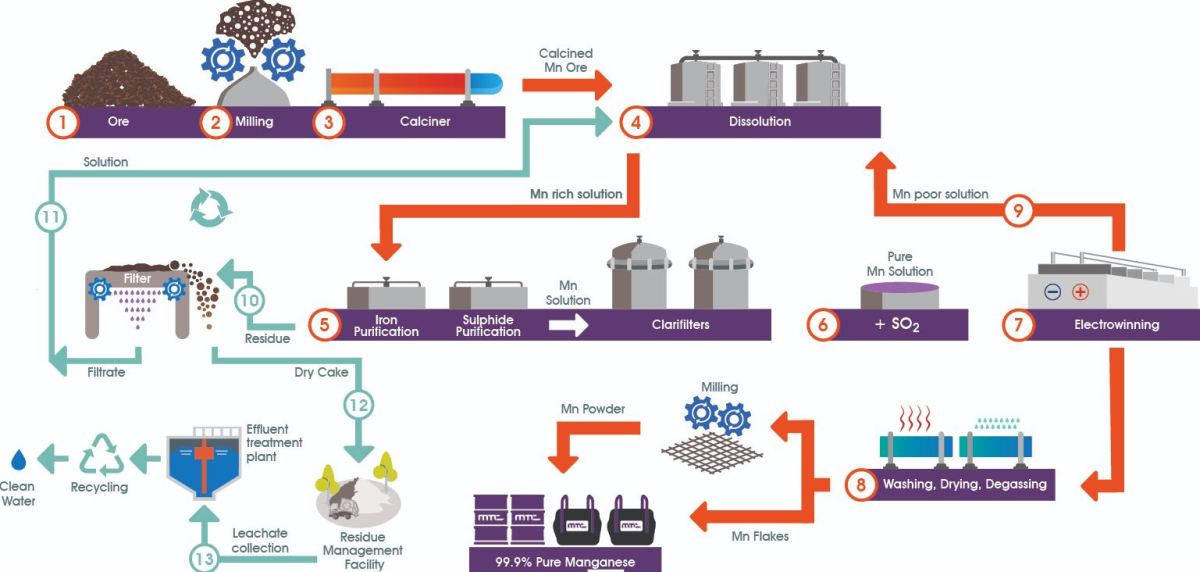
1. Production and processing of ferromanganese
Ferromanganese is an important alloy material, and its production and processing include the following key steps:
1. Raw Material Preparation: The raw materials for producing ferromanganese mainly include high-grade manganese ore and iron ore, typically natural manganese oxide ore and iron ore. Recycled scrap steel can also be used as the iron source.
2. Smelting Process: Pre-ground manganese ore and iron ore are mixed in a certain proportion, then a reducing agent, such as coke or coke powder, is added. The mixture is smelted at high temperature in a blast furnace or electric furnace to obtain the ferromanganese alloy.
3. Alloy Adjustment: The obtained ferromanganese alloy contains certain impurities such as carbon, sulfur, and phosphorus, requiring adjustment. This is done by adding other alloying elements or remelting to achieve the required alloy composition and performance.
4. Casting and Molding: The adjusted molten alloy is poured into molds for casting, typically into long strips or square shapes, and then cooled and solidified to obtain the ferromanganese alloy billet.
5. Subsequent Processing: Ferromanganese alloy billets can be further processed as needed, such as hot rolling, cold rolling, forging, and extrusion, to produce ferro manganese products of various shapes and specifications for different applications.
The production and processing of ferromanganese involves multiple stages and processes, requiring strict control of various parameters and conditions to ensure that the quality and performance of the final product meet requirements.
2. Uses and properties of ferromanganese
Ferromanganese is an alloy primarily composed of iron and manganese, typically containing 20% to 80% manganese, with the remainder being iron. It has many important uses and properties:
1. Wide Range of Applications: Ferromanganese is widely used in the steel industry as an alloying additive, significantly improving the hardness, toughness, and wear resistance of steel, enhancing its mechanical properties, and making it more suitable for various engineering and manufacturing fields.
2. Improved Wear Resistance: Adding ferromanganese to steel forms compounds such as manganese sulfides and manganese nitrides. These compounds significantly improve the wear resistance of steel, making it more suitable for manufacturing wear-resistant parts and tools.
3. Corrosion Resistance: Ferromanganese alloys also improve the corrosion resistance of steel, giving it a longer service life in harsh environments, such as in marine engineering and chemical equipment.
4. Environmentally Friendly: Ferromanganese is an environmentally friendly alloy. Due to its renewable and recyclable nature, it has a relatively small impact on the environment, aligning with the sustainable development concept of modern industry.
5. Used in the production of ferromanganese alloys: Ferromanganese can also be used as a raw material for the production of other manganese alloys, such as high carbon ferromanganese and medium-carbon ferromanganese. These alloys have important applications in metallurgy, electronics, and chemical industries.
In summary, ferromanganese, as an important alloying material, has wide applications and significant importance in the steel manufacturing industry and other fields, playing a key role in promoting industrial development and improving product quality.
Contact Information
Leave A Message
If you are interested in our products and want to know more details, please leave a message here, we will reply you as soon as we can.