

How to Choose the Right Ferro Chrome
Ferrochrome (FeCr), a key ferroalloy, plays an irreplaceable role in modern steel metallurgy. It is a crucial raw material for producing stainless steel, alloy steel, and tool steel, its core value lying in providing chromium to molten steel. The addition of chromium not only significantly improves the hardness and wear resistance of steel but also imparts excellent corrosion resistance, enabling it to serve stably in harsher environments.
However, ferrochrome is not a single product but is classified into three main categories based on its carbon content: high-carbon ferrochrome, medium-carbon ferrochrome, and low-carbon ferrochrome. The difference in carbon content directly affects the reaction mode of ferrochrome during smelting and the performance of the steel. For steel mill technicians and purchasing managers, selecting the appropriate ferrochrome based on production needs is a critical issue concerning cost, efficiency, and quality.
High-carbon ferrochrome: A choice between cost advantage and production volume
High-carbon ferrochrome typically contains 4–10% carbon and 60–70% chromium. It is currently the most widely produced and used type of ferrochrome. It is almost indispensable in the production of stainless steel and wear-resistant steel. Its advantage lies in its ability to simultaneously provide high levels of carbon and chromium, resulting in steels with outstanding strength and wear resistance.
From an economic perspective, high-carbon ferrochrome, due to its mature production process, ample supply, and relatively low price, has become an important choice for large-scale steel mills to control costs. However, it is important to note that its high carbon content can also present challenges: if process control is not strict, excessive carbon can cause decarburization losses during steelmaking and even affect the corrosion resistance of the steel. Therefore, process matching and the ability to adjust carbon content are particularly important when using high-carbon ferrochrome.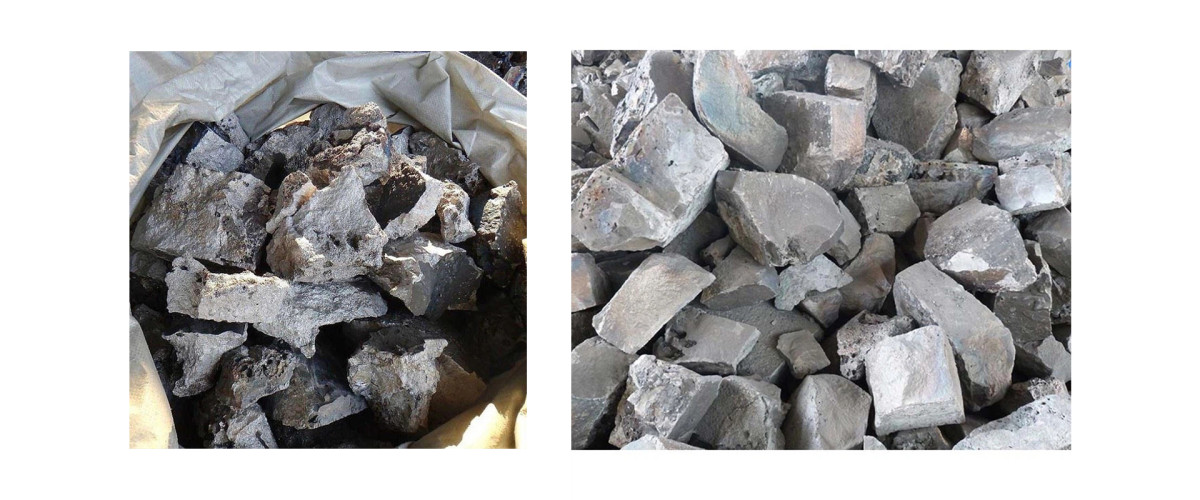 Medium-carbon ferrochrome: Balancing performance and control
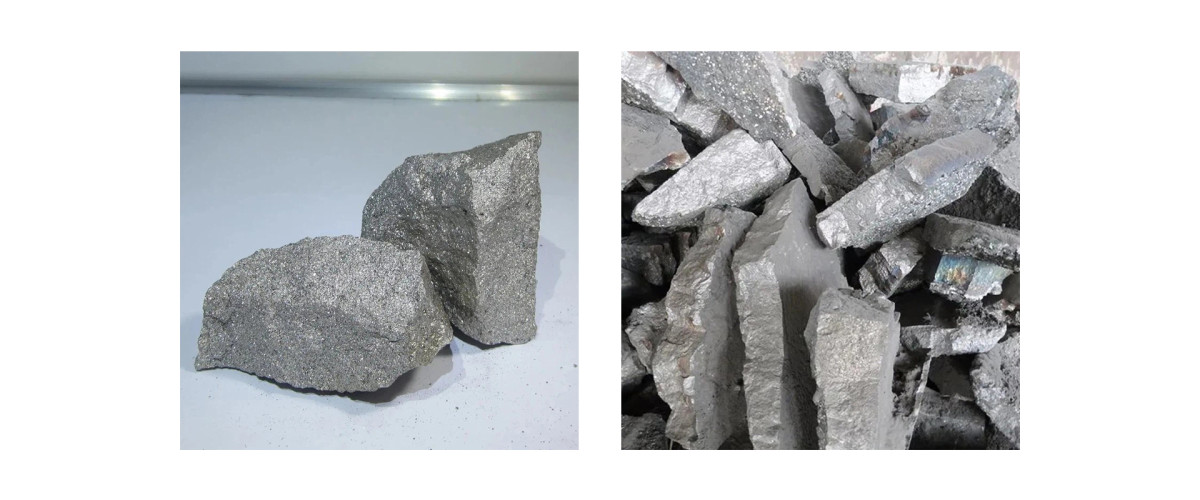
Medium-carbon ferrochrome has a carbon content of 1–4% and also contains 60–70% chromium. Compared to high-carbon ferrochrome, it offers greater flexibility in carbon content control, making it particularly suitable for alloy steel production with specific carbon requirements. For example, medium-carbon ferrochrome is frequently chosen as an additive in automotive steel, construction machinery steel, and some tool steels.
The advantage of medium-carbon ferrochrome lies in its ability to reduce the risk of unnecessary carbide formation while ensuring sufficient chromium. This performance "balance" allows steel mills to better control the smelting process while pursuing strength, toughness, and corrosion resistance. For companies that need to balance performance and cost, medium-carbon ferrochrome is undoubtedly a pragmatic choice.
Low-carbon ferrochrome: the inevitable choice for high-end steel
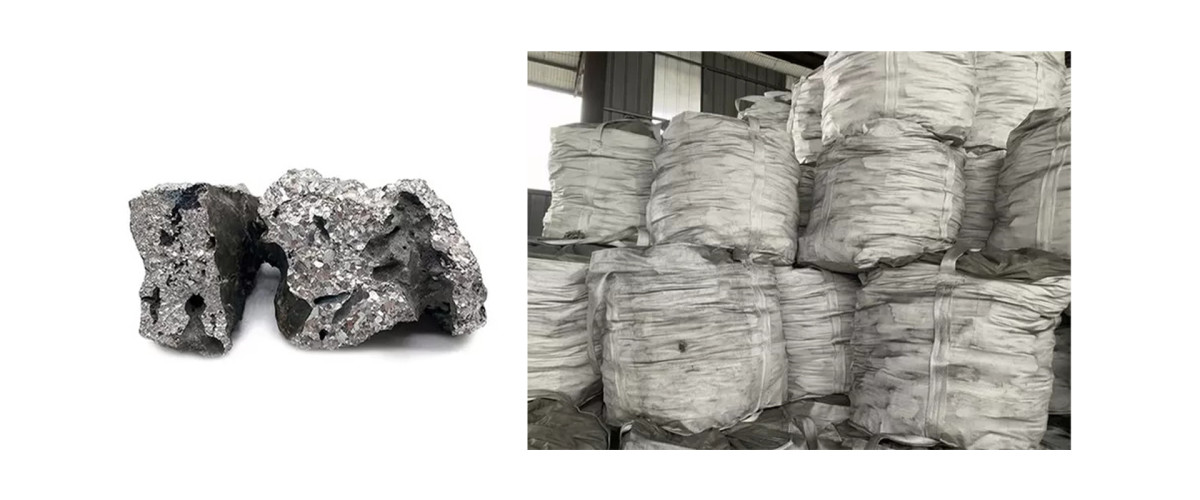
Low-carbon ferrochrome typically has a carbon content between 0.15% and 1%, with some ultra-low-carbon ferrochrome even below 0.1%. This grade of ferrochrome is mainly used in the production of high-quality stainless steel and special alloys, such as low-carbon stainless steels like 316L and 304L, as well as mold steels and corrosion-resistant alloys with stringent requirements.
The advantage of low-carbon ferrochrome lies in its ability to minimize carbide precipitation, thereby ensuring the corrosion resistance and structural stability of the steel. This is particularly important for high-value-added fields such as marine engineering, chemical equipment, and food-grade stainless steel. Although the procurement cost of low-carbon ferrochrome is higher, the benefits in the performance and service life of the end product often far outweigh the initial investment. Therefore, for companies pursuing high-end markets and stringent performance indicators, low-carbon ferrochrome is not a cost burden but a long-term value investment.
 Comparison and Application Decisions of Three Types of Ferrochrome
Choosing the right ferrochrome is not simply a matter of price negotiation, but rather part of a strategic decision. High-carbon ferrochrome is suitable for large-scale production seeking cost-effectiveness, medium-carbon ferrochrome provides companies with flexible and controllable solutions, while low-carbon ferrochrome helps companies capture the high-end market.
Contact Information
Leave A Message
If you are interested in our products and want to know more details, please leave a message here, we will reply you as soon as we can.